Edible Oil Refinery Systems
Delivering complete Edible Oil Refining Services — from Batch Type to Continuous Type Cooking Oil Refinery Plant solutions across all vegetable oils.
Edible Oil
Refinery Plant manufacturer
Super Techno Engineers Private Limited is a leading edible oil refinery plant manufacturer in India, offering complete edible oil refining services for vegetable oil processors. Our Edible Oil Refinery Plant solutions are engineered to eliminate impurities such as phosphatides, free fatty acids (FFA), pigments, and volatile odours ensuring optimal taste, aroma, stability and appearance without affecting nutritional value.
Refining is a process of bringing vegetable oil by physical and chemical changes to remove unwanted compounds and constituents so that to ensure the refined oil achieves optimal taste, aroma, stability and appearance. Our Cooking Oil Refinery Plant solutions ensure the nutritional value of the edible oil remains unaffected, guaranteeing stability, safety and yield throughout the process.
The refined oil will also not affect the health of the consumer it ensures good digestibility by minimizing trans fats and 3-MCPD compounds. As trusted Oil Processing Plant Consultants, we ensure oil soluble vitamins like A and D are fortified after the refining process as per WHO guidelines, keeping consumer health fully protected.
Edible Oil Refining Processes:
- 1 Physical Oil Refining Process
- 2 Chemical Oil Refining Process
Edible Oil Refining Types:
- 1 Batch Type Oil Refinery
- 2 Continuous Type Oil Refinery
Continuous Type Edible Oil Refinery Plant Process
Physical oil refining is used to improve the quality and acceptability of edible oils, especially those with high free fatty acid (FFA) content. As a trusted edible oil refinery plant manufacturer, we design our physical refining plant services to minimize oil losses while delivering consistent output. In conventional chemical refining, FFAs are removed using a caustic soda solution as a neutralizing agent, however this process produces soapstock which traps neutral oil causing additional losses.
Oils such as palm oil, palm kernel oil, shea butter, coconut oil, and rice bran oil typically contain higher levels of FFAs. Our Continuous Type Edible Oil Refinery Plant is specifically engineered for these oils, where physical refining avoids chemicals like caustic soda ensuring better yield and product quality.
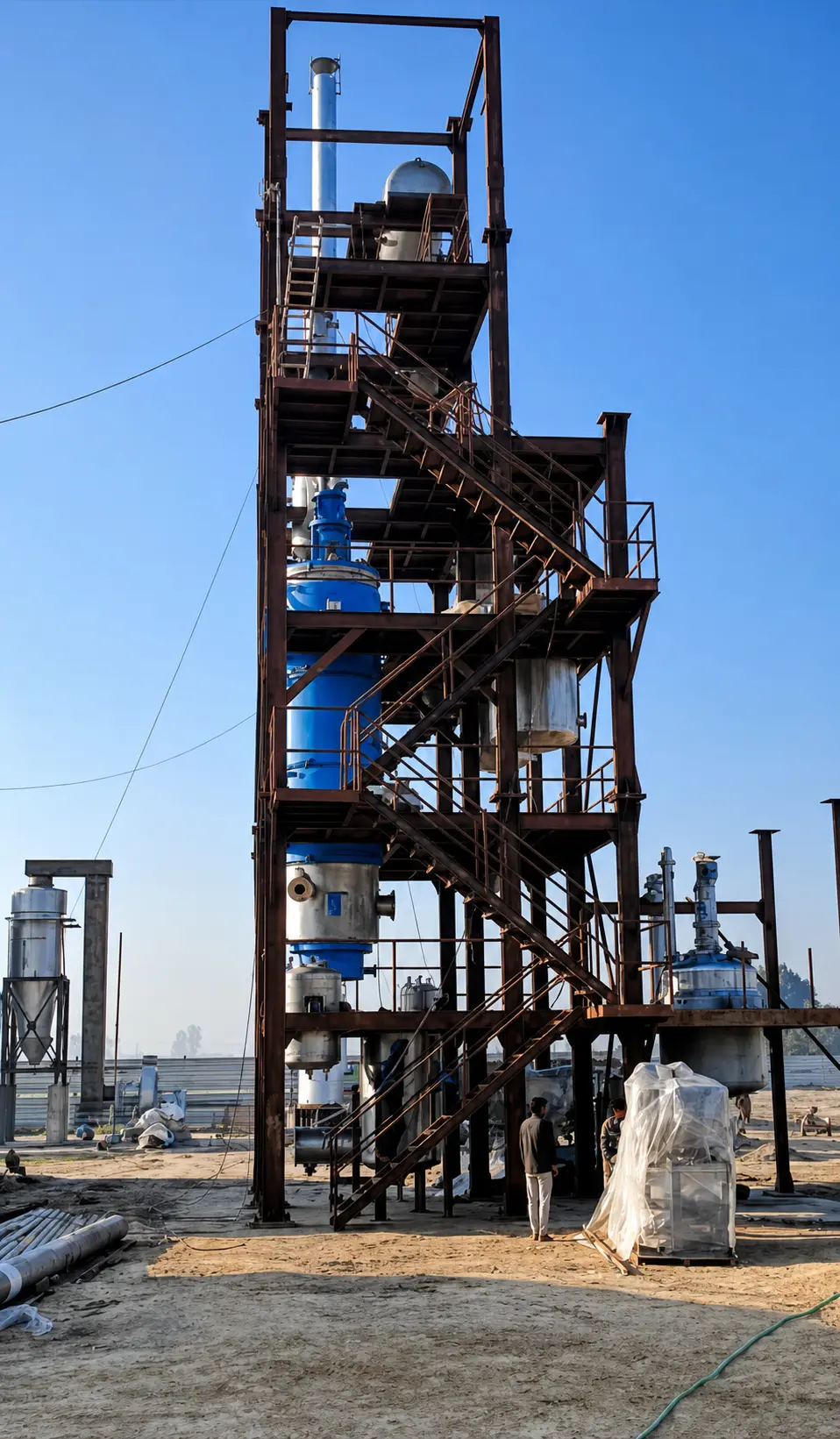
In physical refining, FFAs are removed through distillation rather than neutralization, minimizing oil losses and preserving valuable components. Our Edible Oil Refinery Systems are designed to retain beneficial compounds such as oryzanol in rice bran oil, making the final product more desirable for consumers. As experienced Oil Processing Plant Consultants, we ensure higher efficiency and reduced processing losses across all our edible oil refining services.
Process Flow
Steps involved in Physical Refining
Pre-treatment
Bleaching
De Acidification
& Deodorization
Physical Refining Process of Edible Oil
Process Description of Chemical Oil Refining
Our chemical refining plant services are specifically designed for soft oils where the FFA content is very low and phospholipids are higher. The phospholipids recovered in the form of gums can be converted to liquid lecithin to add additional value to the product and increase profitability.
The major variation in chemical vs physical refining is 3 additional steps of Degumming, Neutralizing and Water Washing. As a trusted Industrial Oil Refinery Plant Manufacturer, we ensure the remaining bleaching and deodorization steps deliver the same high quality as physical refining.
Some special oils like Sunflower, Corn germ, Rice bran and Cottonseed contain waxes in such cases our oil filtration system includes a dewaxing step after bleaching for complete purification.
Steps involved in Chemical Refining
Degumming,
Neutralization and Water
Washing
Bleaching
De Acidification and
Deodorization
Chemical Refining Process of Edible Oil
Process Description of Chemical Oil Refining
The chemical refining is specifically used for Soft Oils where the FFA content is very low and phospholipids are higher. The phospholipids recovered in the form of Gums and could be converted to liquid lecithin to add additional value to the product and increase profitability.
The major variation in chemical physical refining is additional 3 steps of Degumming, Neutralizing and water washing. The remaining bleaching and Deodorization will be the same and similar to physical refining.
There will be some special oils which contain waxes like Sunflower, Corn germ, Rice bran and Cottonseed (required only in cold countries) a dewaxing step will be included after bleaching.
In-Depth Process
Detailed Unit Operations
Pretreatment of Oil
The feed oil to be processed will be heated to 65-70°C with the regenerative heat exchanger by outgoing deodorized oil followed by a heater to heat the feed (at the time of start-up). Concentrated phosphoric acid with 85% and above concentration (0.05 – 0.10%) will be added with the Acid Metering Pump and intensively mixed with the oil in Knife Mixer and allowed to flow to the conditioner Reactor with a specific retention time so that all the phosphatides will be treated before entering to Bleaching section. This pretreatment is a critical first step in our complete edible oil refining services.
Degumming, Neutralization and Water Washing
Degumming:
The vegetable oils are triglyceride esters of fatty acids and also called lipids. These lipids also contain phospholipids like lecithin, cephalin and inositol etc. A part of the phospholipids are hydratable and a part is non-hydratable. The hydratable phospholipids are hydrated settled and separated and dried to convert to Liquid lecithin.
The non-hydratable phosphatides are treated with concentrated phosphoric acid to generate a common ion effect and make them separate from the lipids. These non-hydratable phosphatides are removed along with neutralization.
The Process is to heat the oil to 65 to 70 deg centigrade mix with hot water up to 2% based on phosphorous ppm and allowed to react for 20 to 25 minutes in a reactor and will be separated in a batch process by settling the gums, in continuous through centrifugal separators.
Neutralization:
This is the second step of the Chemical refining process. During this step, the oil is treated with Caustic soda solution and Free fatty acid are neutralized and it generates a mixture of soap formed from free fatty acids and Oil. The soap phase is heavy and Oil phase is light. Again this will be separated either through settling in a batch process or through separation done by centrifuges in a continuous process.
Water degummed oil from separator is pumped to plate heat exchanger where oil is heated to neutralization temperature i.e. around 80 to 85 Deg C. The hot oil is fed to mixer with pre-calculated requisite quantity of phosphoric acid where oil and phosphoric acid is allowed a brief holding time and allowed for precipitation and also for trace metals.
The Precipitated oil after the addition of phosphoric acid is fed into mixer where the oil is mixed with pre-calculated quantity of caustic soda solution of suitable baume strength. Free fatty acids are allowed to react with caustic soda to form soap either short mix or long mix process based on the type of the oil. The reacted oil is sent to the Soap Separator. The precipitated impurities are removed from the oil as water-based heavy phase called as soap stock. The separated soap stock could be used for soap manufacturing, converting to acid oil and further acid oil will be used in soap production or Biodiesel production.
Water Washing:
The residual soap in the degummed & neutralized oil is reduced by water washing. In this case the oil from the separator is heated to about 95 C in the Washing Heater and then mixed with 10 – 15% soft water in the Wash Mixer. After a few minutes of retention in the Wash Reactor, the wet oil enters the Wash Water Separator. The washed oil, typically containing under 100 ppm soap and with a reduced level of phosphorus, is sent directly to bleaching as part of our complete chemical refining plant services. The heavy phase soapy water is collected in the Recovered oil tank and drained to Effluent treatment.
Vacuum Drying:
Washed oil is fed continuously to the Vacuum dryer and sprayed through specially designed nozzles. The vacuum dryer is kept under a vacuum of 70 torr. The dried oil from the vacuum chamber is continuously pumped out by pump to intermediate storage tank completing the degumming stage of our Edible Oil Refinery Plant process.
Advantages
Key Features
Consumption of Utilities and Power is low
Chemical consumption at a minimum
Highly Efficient removal of Phosphatides/gums
Reduction in Oil processing Losses
Plant designed in combination with partial degumming, total degumming and neutralization
Knife mixer used for effective dispersion of reagent
Retention time could be varied to achieve optimum results
Bleaching of Oil
Bleaching Plant, Bleacher
Conditioned oil exits the reactor and passes through a dedicated heater — temperature raised to 95–105°C — before entering the slurry mixer at a precise flow rate controlled by an inline flow meter matched to plant production capacity. Bleaching earth — activated or neutral, selected based on lab analysis — is loaded into the static mixer where thorough oil-clay blending occurs before the slurry advances into the three-stage bleacher. A pneumatic dosing system synchronizes bleaching earth quantity with live oil flow — ensuring dosing accuracy and zero wastage at every production rate. The entire bleaching circuit operates under continuous vacuum — a core design feature of every Super Techno Engineers Private Limited edible oil refinery plant that protects oil quality and prevents oxidation throughout the bleaching stage.
The oil Bleaching temperature can also be raised in the first compartment of Bleacher. The Bleached equipped with both mechanical agitation and sparge steam provision. Both dry and wet bleaching effects are together incorporated in the system to enable to adopt the process suitable to the Oil based Dobhi test. The earth adsorbs all treated gums as well as trace metals, color bodies and other polar impurities. Specific retention will maintained within the bleacher for proper absorption of color pigements. The oil and earth mixture is discharged by the Bleacher Discharge Pump to the vertical Pressure leaf filters where the spent earth is removed. The filtered oil is collected in the Filtrate Receiver and transferred to the Bleached Oil tank through Polish Filters fixed with 5 micron bags part of our advanced oil filtration system manufacturer process.
Bleaching Advantages
Key Features
Metal contents and residual P-contents eliminated by additional pre-treatment
Bleaching in single reactor – Compact system with slurry preparation
Bleaching chemical could not be carried over to Vacuum system
Dry and Wet Bleaching effect in a single bleaching system
Colour reduction will be improved due to dual bleaching effect
Bleaching earth consumption at minimum level
Automated dosing system ensures accurate quantity of Bleaching earth
Utilities consumed at minimum level
Deacidification and Deodorization
Final Thermal Process
Bleached oil from bleached oil tank continuously pumped through flow meter and it is preheated with the help of regenerative heat exchanger heater and PHE at the time of start-up to the Deaerator. The Deaerator is under full vacuum so that residual air is reduced to an absolute minimum. The Deaerator Discharge Pump sends the oil through a regenerative heat exchanger where the temperature is increased by hot deodorized oil. The oil is heated to full processing temperature in the Vacuum Heater by the thermic fluid heating system. The Final Vacuum heater is connected to vacuum duct of Deodorizer through which a part of the free fatty acid is removed.
The hot oil from the final vacuum heater (240 – 260 deg c) enters the deodorizer stripping column fixed with structural packings and provision of sparging steam arrangement and automatic level controlling system, where the Oil flows through the channels of a series of vertically arranged trays while agitated by sparging steam. The Specified time of thermal action breaks down carotene and other colour bodies, resulting in lighter oil colour. The balance amount of free fatty acids in the oil is reduced to minimum levels. The maximum retention time in the Deodorizer could be varied and to a maximum of 75 minutes.
The deodorized oil will be moved out by the Product Pump and used in all regenerative heat exchangers further cooled to storage temperature in the Deodorizing section, Deaerating section, Bleaching section and final Oil Cooler. The anti-oxidants are dosed to oil in the Deodorizer. The finished oil is finally sent to storage through 5-micron polish Filters where all particles are filtered in the case that remained.
recycling i) Fatty Acid Distillate Recovery
Fatty acids, other odoriferous materials like aldehydes, ketones and tocopherols, squalene and any other materials evaporated from the oil, are condensed by direct contact with the recycled and cooled distillate in the Vapor Scrubber. The cooled distillate is recirculated by the Distillate Pump through the Distillate Cooler where it is continuously cooled by cooling water. Accumulated distillate is discharged from the Scrubber whenever it exceeds the level and automatically transferred to a fatty distillate storage tank.
shield_with_heart ii) Protection from Air Contamination
During the total process of deodorization, the packed column Deaerator ensures maximum removal of dissolved air before entering to high-temperature heating system. This totals de aeration to reduce polymerization of the oil on the inside of the heat exchanger coils. The optimum quality of Oil will be protected especially when processing unsaturated oils, from the air contamination and prevents Oxidation maintaining the peroxide value below 10 PPM.
Deodorization Advantages
Key Features
Consumption of steam for stripping FFA & Odoriferous matter at minimum level
Splash oil generation will be zero
Improved FFA recovery
Erection will be easier and simple due to single vessel
High energy savings with regenerative heat exchangers
Bleaching earth consumption at minimum level
Wide surface area generated by structured packing enhances the stripping action
Minimum sparge steam requirement
Minimum load on vacuum system
Side reactions will be nullified like polymerization, isomerization, etc.
Cleaning and Maintenance provision included for sparge steam pipes
Good for deodorization of all kinds of fats
De-Waxing
Winterization Process
Certain vegetable oils including sunflower, corn germ, cottonseed, and rice bran carry naturally occurring waxes that must be removed to ensure a clear, stable final product. In Super Techno Engineers Private Limited's edible oil refinery plant, the dewaxing step is strategically positioned either between bleaching and deodorization, or after deodorization depending on the specific oil type and end-product requirement.
De-waxing is a process technique to separate waxes and materials that cause cloudy ness to the oil at 20 deg c or below. This dewaxing process allows isolating high melting point fats which crystallized parts are responsible for turbidity in some vegetable oils during winter season or after refrigeration.
Bleached oil enters the dewaxing circuit through a series of heat exchangers first brought down to 40°C via cooling water, then further reduced in temperature through regenerative heat exchange with already de-waxed oil exiting the system. A dedicated crystallizing cooler using chilled water drops the oil to the precise temperature needed for wax crystal development, specific to each oil type.
The cooled oil then enters the crystallizer, a vertical concentric cylindrical vessel with a conical base, fitted with an internal cooling coil and a VFD-controlled geared motor agitator. RPM is adjusted per oil requirement for optimal crystal growth. Crystallizers are available in 10, 15, and 20-ton capacities. A flow meter with totalizer measures the exact oil quantity fed per cycle — the mass is then homogenized under agitation and gradually cooled through the coil until mature wax crystals fully develop.
Crystallized oil advances through dedicated filters wax is retained within the filter media while clear, wax-free oil passes through and collects in the dewaxed oil tank, ready for the next stage of processing in our edible oil refinery plant.
The wax settled in the filters will be collected by heating, melting and transferring to the wax tank. As part of our oil filtration system, the wax will be sold to industries where they use wax in several applications like chewing gum, candles etc.
De-Waxing Advantages
Key Features
Good stability of dewaxed oil at cold temperatures.
Specified cloud point could be maintained easily
Minimum filter aid consumption
No oxidation of Oil
Low oil content in wax
Bleaching earth consumption at minimum level
Specially designed crystallizers for better heat transfer
Minimum energy consumption
Supported Edible Oils
(Multi-Seed Capabilities)
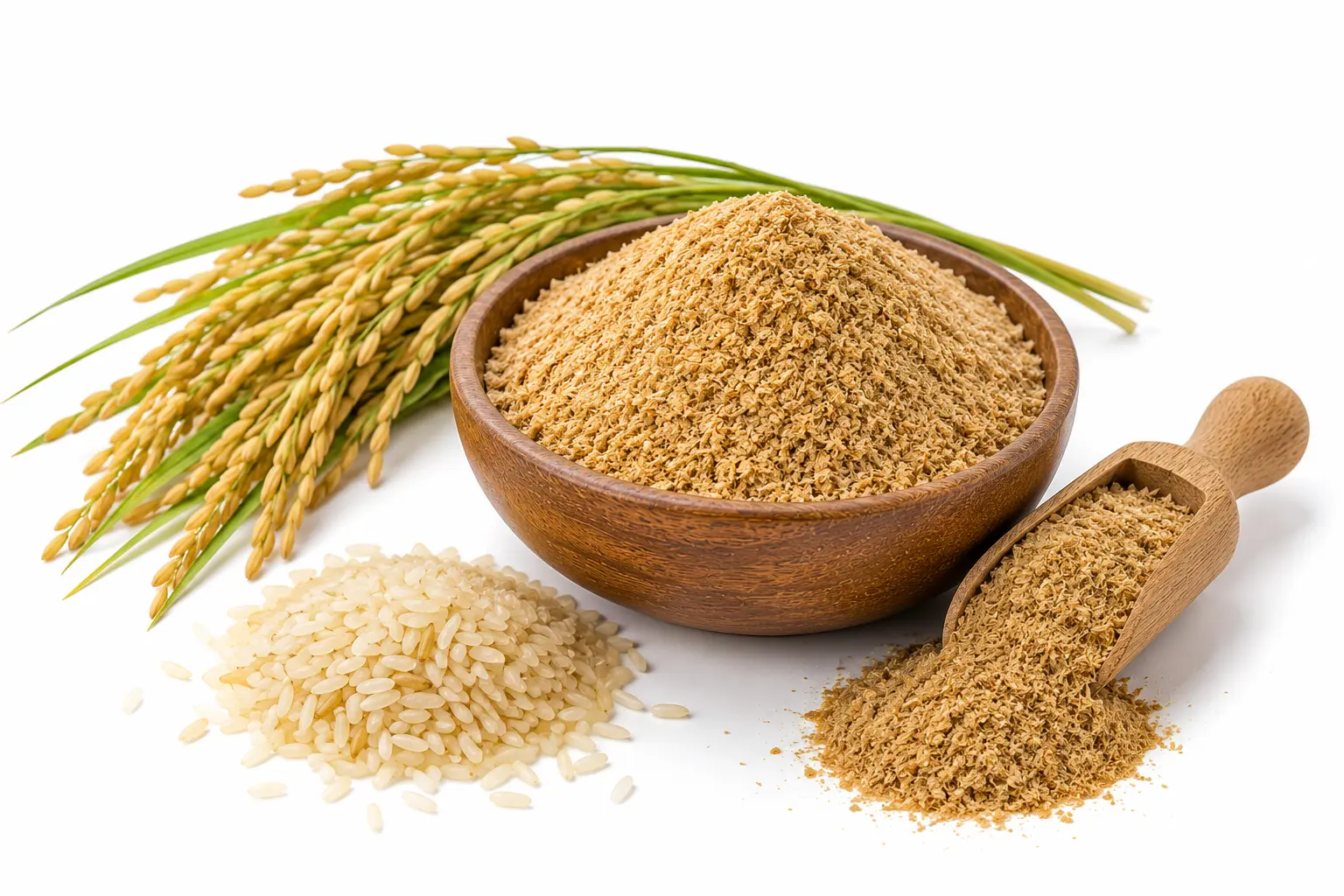
Rice Bran Oil Refinery Plant Process
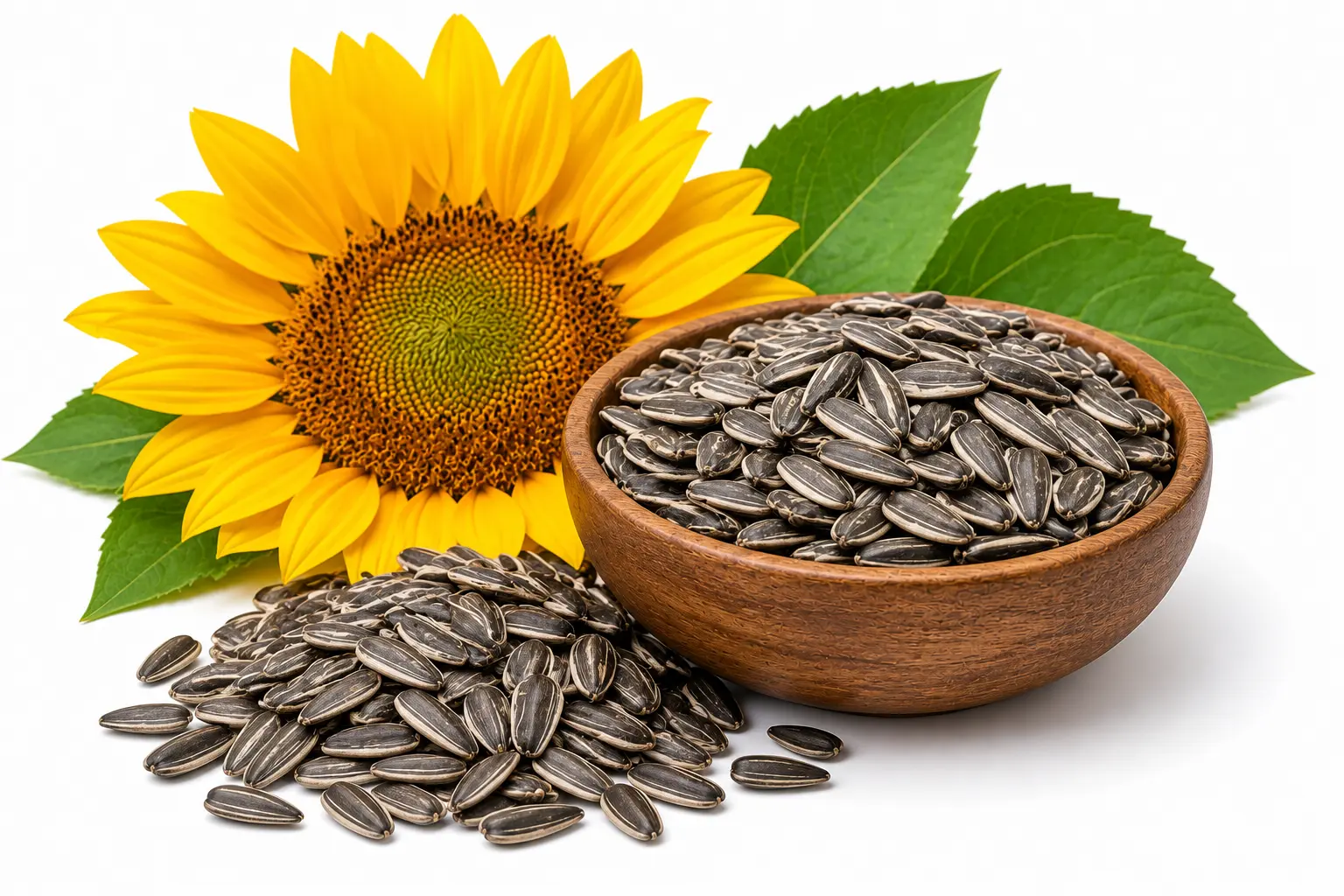
Sunflower Oil Refinery Plant Process

Mustard / Canola / Rapeseed Oil Refinery Plant Process
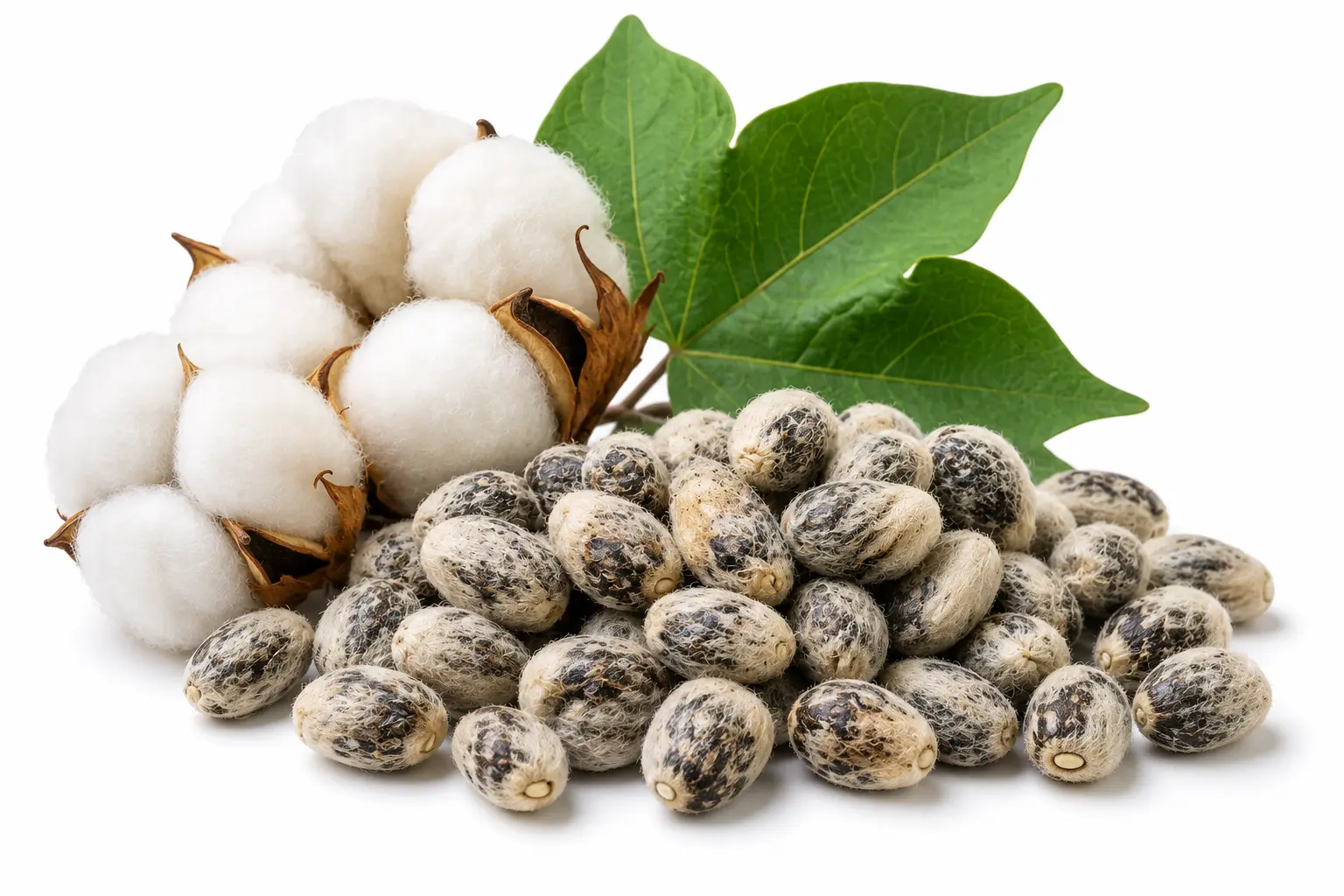
Cottonseed Oil Refinery Plant Process
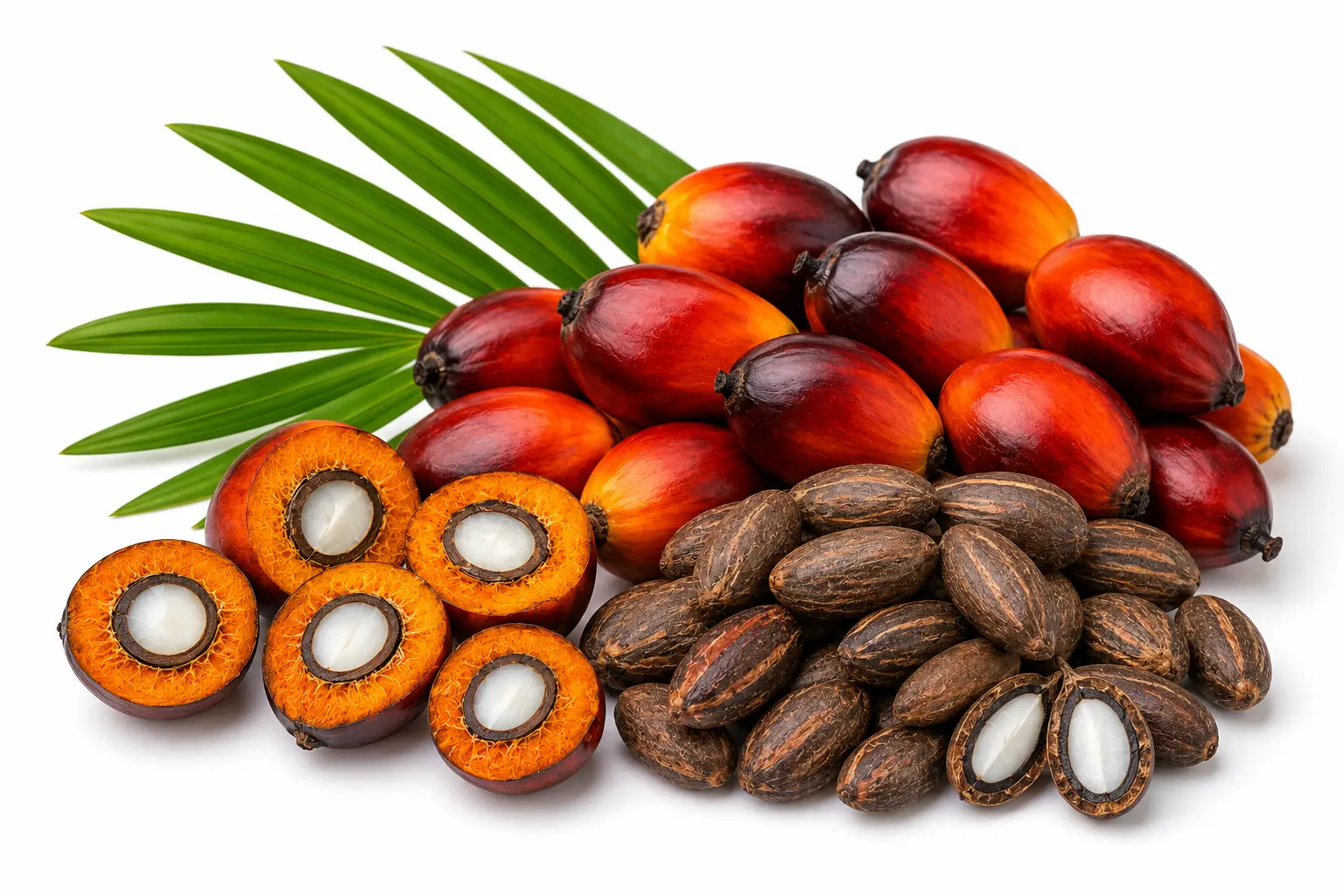
Palm Oil Refinery Plant Process
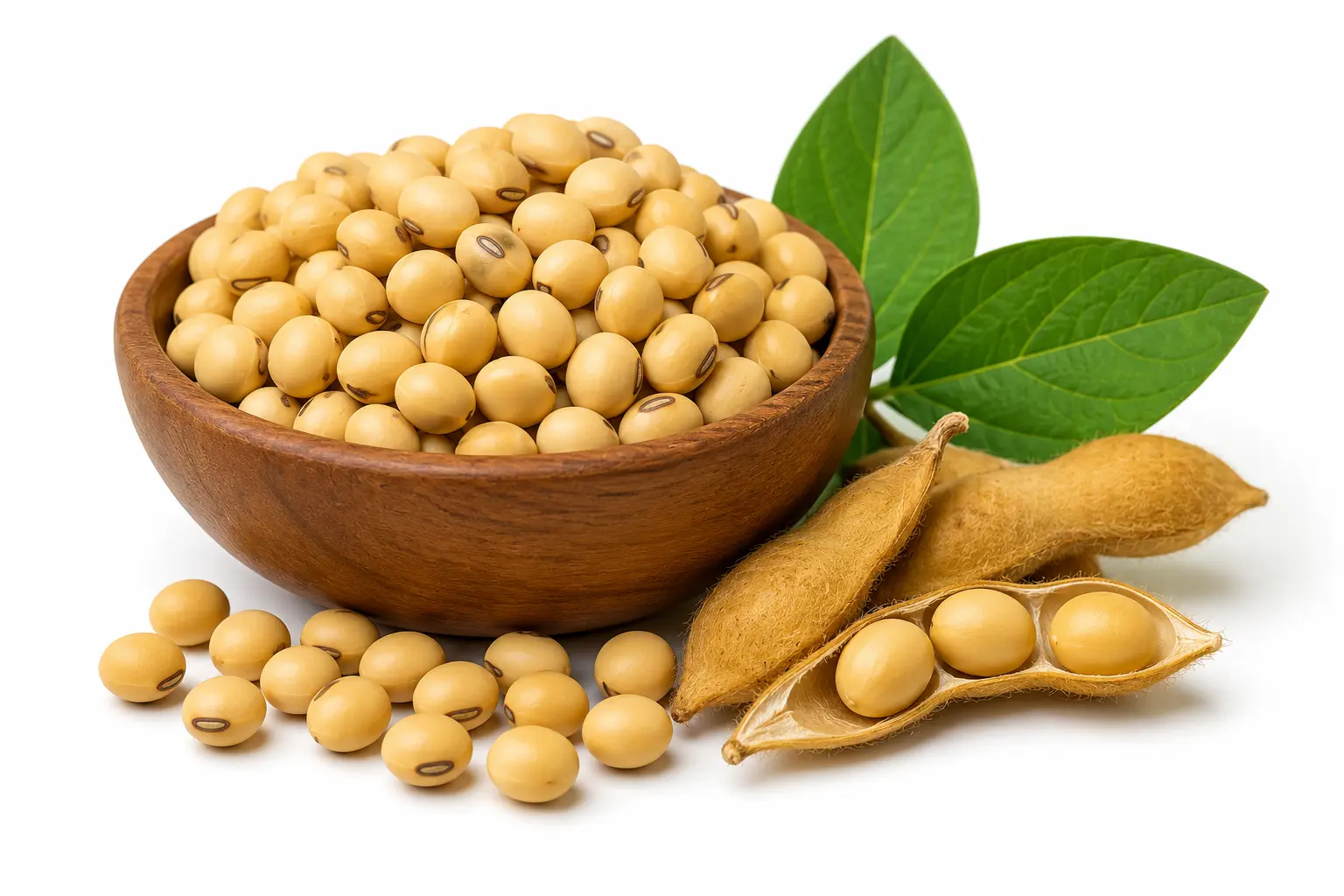
Soybean Oil Refinery Plant Process
Frequently Asked Questions
Your Questions, Answered
A Batch Type Edible Oil Refinery Plant processes oil in defined batches of 5 to 25 tons and is manually operated, ideal for smaller capacities. A Continuous Type Edible Oil Refinery Plant runs automatically with consistent output, lower operating costs and higher ROI, making it suitable for medium to large-scale industrial production.
Our Edible Oil Refinery Systems support rice bran, sunflower, mustard, canola, cottonseed, palm and soybean oils across both physical and chemical refining routes.
As an experienced Industrial Oil Refinery Plant Manufacturer, we offer complete process equipment fabrication services, in-house engineering and end-to-end project execution, ensuring quality and reliability at every stage.
Yes. We provide complete physical refining plant services and chemical refining plant services including design, fabrication, installation and commissioning of both refinery types.
Our Cooking Oil Refinery Plant solutions are available from small batch capacities to large-scale continuous systems, fully customized to your production requirements.
Yes. Every Edible Oil Refinery Plant we deliver is engineered to match the specific FFA content, wax levels and processing requirements of the target oil, backed by our complete edible oil refining services.